Service Request
  Sales Enquiry
  Customer Reviews
  Register for Updates
 Distributor Portal
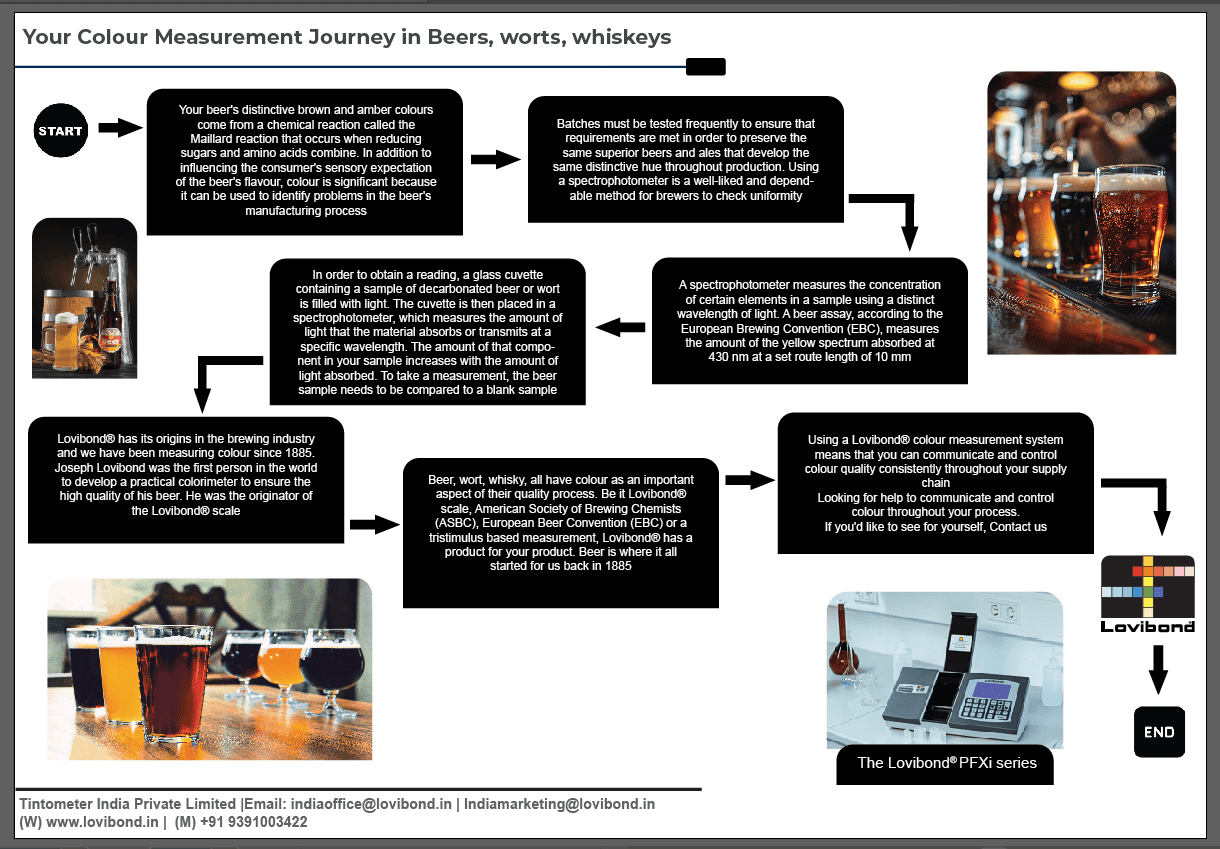
Ensuring the Perfect Hue: Lovibond® Colour Measurement for Beers, Malts, Caramels, Sugar Solutions & Syrups
In the intricate world of brewing and food production, colour is more than just an aesthetic attribute; it's a crucial indicator of quality, flavour profile, processing consistency, and ultimately, consumer appeal. From the rich amber of a craft beer to the deep mahogany of caramel, or the crystal clarity of a sugar syrup, precise colour control is paramount. Lovibond® colour measurement solutions offer the accuracy and reliability needed to achieve and maintain these critical colour standards across beers, malts, caramels, sugar solutions, and syrups.
The Vital Role of Colour Measurement in Brewing and Sweetening Solutions
Why does meticulously measuring colour matter so much in the production of beers, malts, caramels, sugar solutions, and syrups? The reasons are manifold:
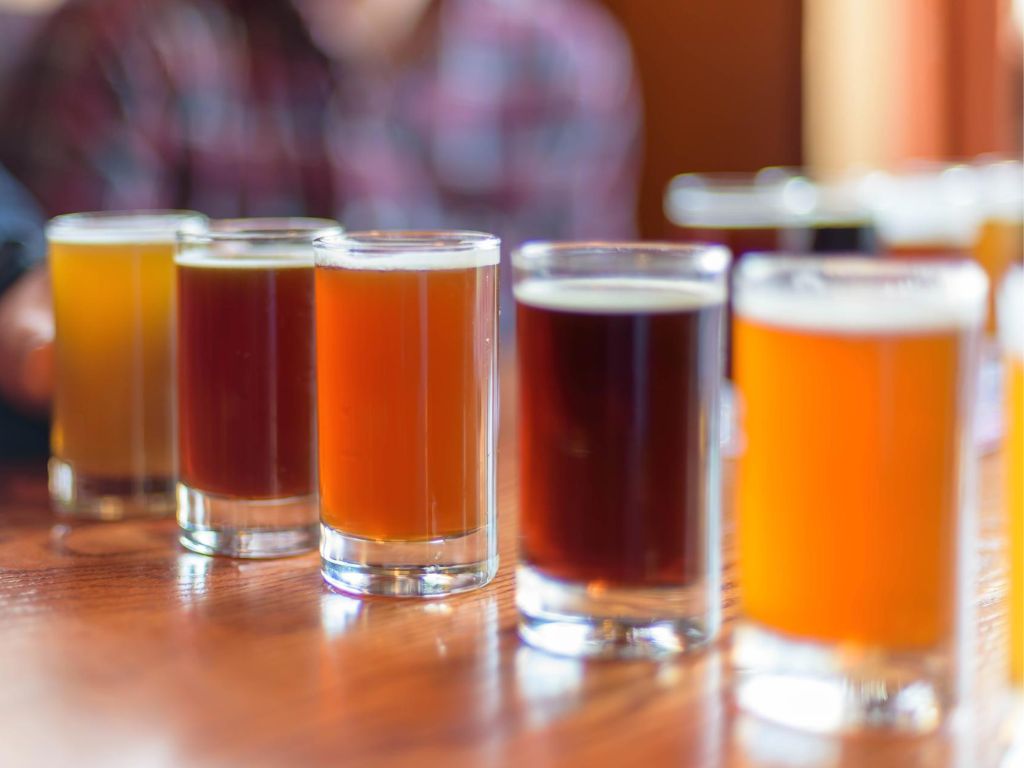
- Quality Control & Batch Consistency: Imagine a customer expecting a specific shade of their favourite beer, only to find significant variation between batches. Consistent colour assures consumers of reliable quality and process control. For caramel and syrups, colour directly relates to the degree of caramelisation or sugar inversion, impacting flavour and functionality.
- Flavour Association: Consumers often associate specific colours with particular flavour profiles. The deep colour of a stout suggests roasted malt flavours, while the golden hue of a pale ale sets different expectations. In caramels and syrups, colour is a strong indicator of sweetness intensity and cooked sugar notes.
- Meeting Regulatory Standards & Trade Specifications: In the brewing industry, specific colour units (like EBC or SRM) are often used to classify beer styles and may even be part of regulatory requirements or trade agreements. Similarly, sugar and syrup colour grades (e.g., ICUMSA for sugar) are essential for commercial transactions.
- Process Monitoring & Control: Colour changes during brewing (e.g., wort boiling), caramelisation, or syrup production are key indicators of process progression. Objective colour measurement allows producers to monitor these changes, make timely adjustments, and ensure the desired end product characteristics are achieved.
- Raw Material Evaluation: The colour of raw materials like malt is a critical indicator of its quality and potential contribution to the final beer colour and flavour. Consistent malt colour ensures predictable brewing outcomes. Similarly, the initial colour of sugar solutions can impact the final syrup or caramel colour.
- Consumer Appeal & Brand Identity: Colour is a primary visual cue that influences consumer perception and purchasing decisions. Consistent and appealing colours reinforce brand identity and attract customers.

Key International Standards for Colour Measurement
Several international standards and industry-specific scales are used for colour measurement in beers, malts, caramels, sugar solutions, and syrups:

- European Brewery Convention's method Colour (EBC) Units: A widely adopted standard in Europe for measuring the colour of beer and malt. EBC values are approximately linearly related to absorbance at a specific wavelength.
- Standard Reference Method (SRM) / American Society of Brewing Chemists Method (ASBC) Colour Units: Primarily used in North America for beer colour measurement, SRM values are also based on absorbance and are numerically very close to Lovibond values in typical beer ranges.
- International Commission for Uniform Methods of Sugar Analysis (ICUMSA) Units: The globally recognised standard for measuring the colour of sugar, sugar solutions, and syrups. ICUMSA values are determined spectrophotometrically and indicate the purity and degree of colouration.
Choosing the Right Colour Scale Matters to Match Your Needs and Applications
Selecting the appropriate colour scale is crucial for accurate and meaningful measurement. The choice depends on the specific product and industry standards:
- Type of Products:
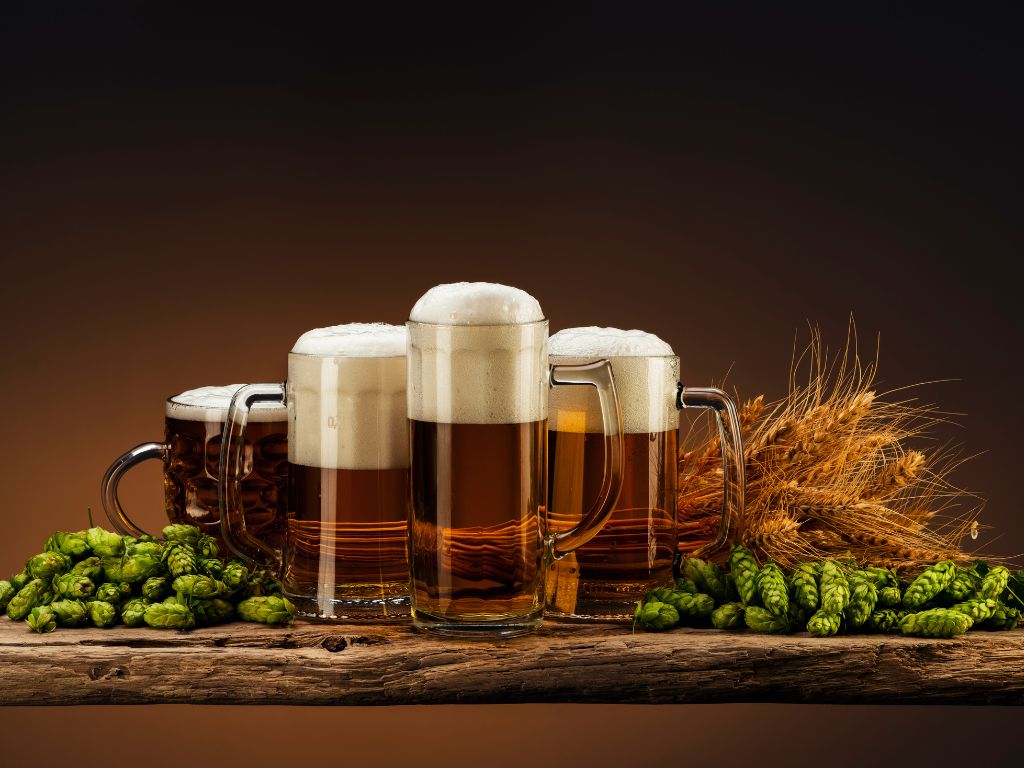
- a. Beers & Malts: The Lovibond® scale remains relevant, especially for visual
comparisons. However, EBC and SRM are the dominant instrumental methods, offering more objective and
reproducible results. Many modern spectrophotometers can report colour in all three scales.
- Lovibond® Scale: Historically significant and still widely used, particularly in the brewing industry for malt and beer colour assessment. Lovibond units are based on matching the colour of a sample with coloured glass standards.
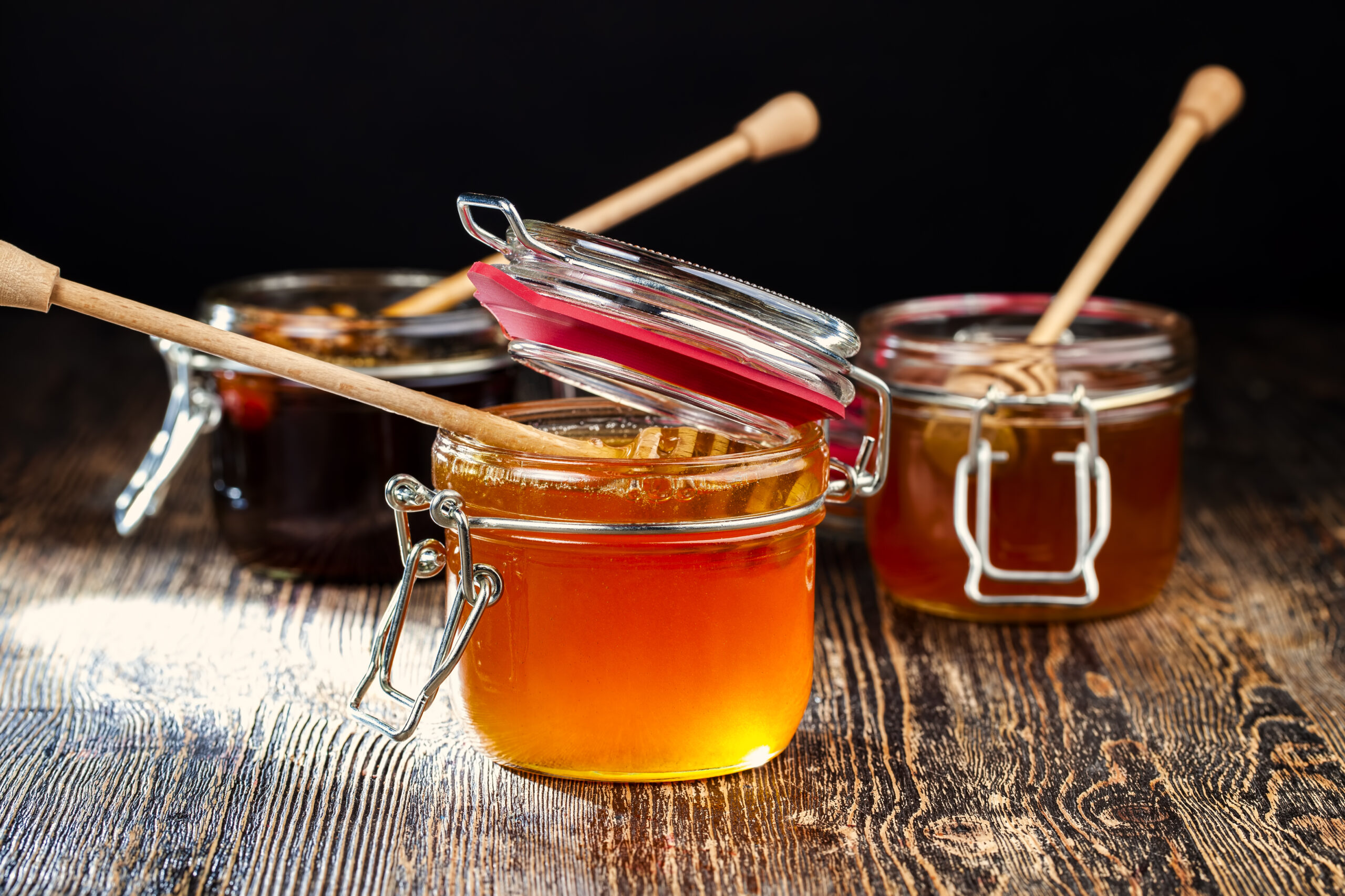
- b. Caramels, Sugar Solutions & Syrups: ICUMSA units are
the primary and universally accepted standard for these products, providing a consistent measure of
colour intensity and quality.
- ICUMSA Unit: ICUMSA units measure the colour intensity of a sugar solution, with lower numbers indicating a more colourless product. For sugar solutions and syrups, the acceptable ICUMSA colour units vary by application.
- a. Beers & Malts: The Lovibond® scale remains relevant, especially for visual
comparisons. However, EBC and SRM are the dominant instrumental methods, offering more objective and
reproducible results. Many modern spectrophotometers can report colour in all three scales.
- c. Light Syrups: In some cases, Saybolt or Platinum-Cobalt scales might be used for
very light-coloured syrups where subtle differences need to be quantified.
- Saybolt Colour: Used primarily for light-coloured products, but can sometimes be relevant for very light sugar syrups. Higher Saybolt numbers indicate lighter colours.
- Platinum-Cobalt Scale (APHA/Hazen): While more commonly used for water quality and clear chemicals, it can sometimes be applied to very light-coloured sugar solutions or syrups.
- c. Light Syrups: In some cases, Saybolt or Platinum-Cobalt scales might be used for
very light-coloured syrups where subtle differences need to be quantified.
- 2. Industry Standards and Regulations: Identify the specific colour scales mandated or commonly used in your industry (e.g., EBC/SRM for beer, ICUMSA for sugar).
Choosing the Right Instrument for your product
- 1. Type of Samples:
- Transparency: Beers, sugar solutions, and syrups are typically transparent or translucent, requiring transmission measurements. Malts and some caramels might require analysis in solution or through specific preparation methods.
- Colour Intensity: The expected range of colour intensity will influence the most suitable instrument and scale. For very light colours, scales like Saybolt or low ICUMSA ranges are important. For darker products, scales with wider ranges are necessary.
- 2. Measurement Objectives:
- Quality Control: Routine checks to ensure batch-to-batch consistency against a standard.
- Process Monitoring: Tracking colour changes during production stages.
- Raw Material Assessment: Evaluating the colour of incoming ingredients.
- Meeting Customer Specifications: Adhering to specific colour requirements set by buyers.
- 3. Instrument Capabilities:
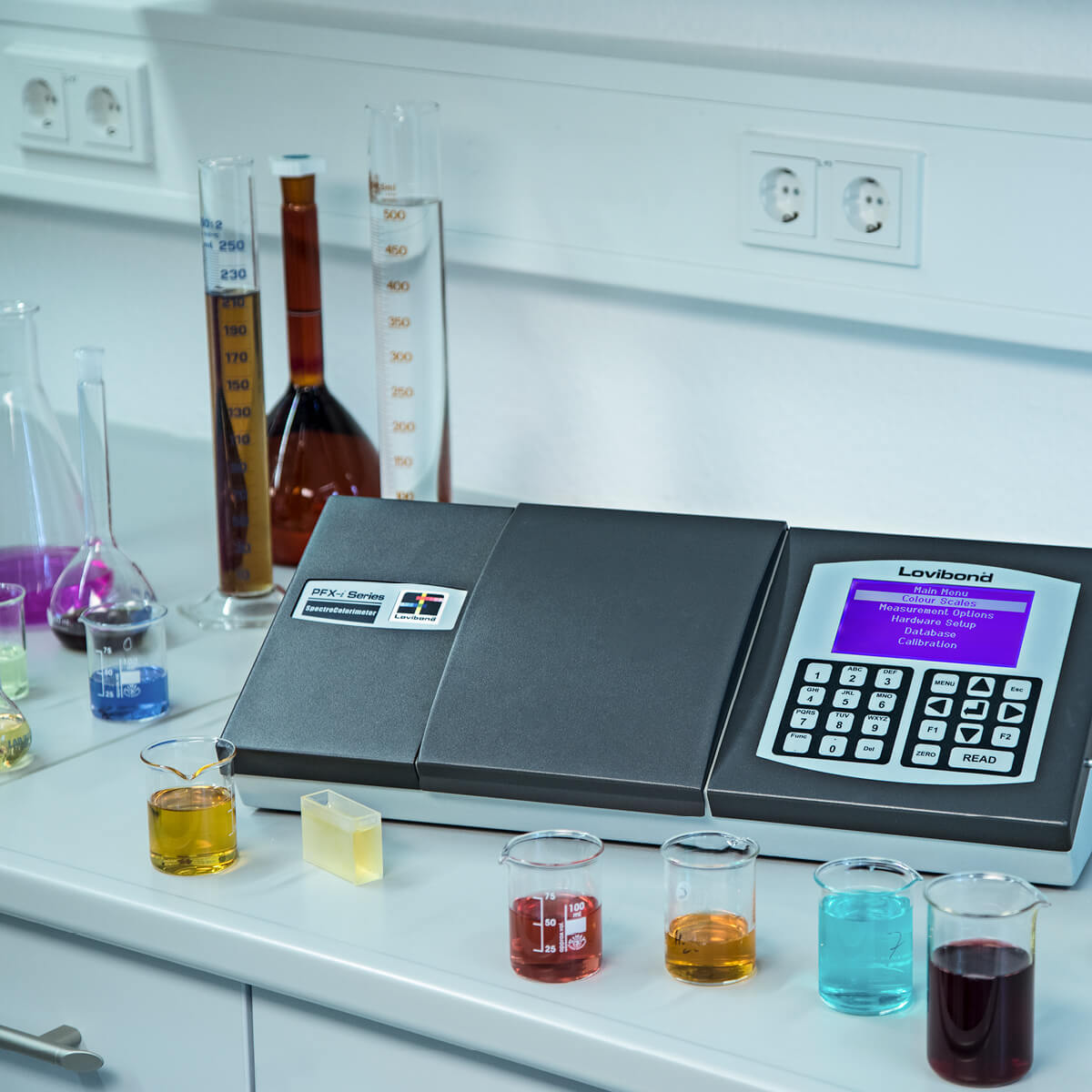
- Spectrophotometers: These are the most versatile instruments, capable of measuring absorbance across a range of wavelengths, allowing for calculations in various colour scales (EBC, SRM, ICUMSA, etc.). Lovibond® offers spectrophotometers like the PFXi series specifically designed for measuring colour in liquid samples and supporting industry-standard scales.
- Visual Colorimeters: Lovibond's traditional Comparator systems, utilizing coloured glass standards (Lovibond® scale), remain valuable for visual comparisons and in situations where instrumental analysis might not be immediately available.
- 4. Ease of Use and Reporting: Consider the user-friendliness of the instrument and its ability to generate reports and integrate with your quality control systems.
- 5. Consultation with Experts: Don't hesitate to consult with our experienced team. They can provide guidance on selecting the most appropriate instrument and colour scale based on your specific products and needs.
By understanding the importance of colour, recognising the relevant international standards, and carefully selecting the right Lovibond® colour measurement solution, producers of beers, malts, caramels, sugar solutions, and syrups can ensure product quality, consistency, and consumer satisfaction, ultimately leading to greater success in the marketplace.
Discover the science of colour with us! Join our free online course today. Fill in your details below, and we’ll get in touch with you soon.
Frequently Asked Questions (FAQs)
Why is colour measurement so important for products like beer, malt, and sugar solutions?
Colour is a primary indicator of a product's quality, flavour profile, and processing consistency. For beer, it sets consumer expectations. For caramels and syrups, it directly relates to the degree of caramelisation. Objective colour measurement ensures batch-to-batch consistency and helps meet quality standards.
What are the main colour scales used for beer and malt?
What is the ICUMSA scale, and for which products is it used?
ICUMSA (International Commission for Uniform Methods of Sugar Analysis) is the global standard for measuring the colour of sugar, sugar solutions, and syrups. It quantifies the colour intensity, which is a key indicator of product purity and quality for trade and production purposes.
How does a Lovibond® instrument measure the colour of liquid samples?
Lovibond instruments, typically spectrophotometers, use a transmission measurement method. Light is passed through the liquid sample in a cuvette, and the instrument measures the amount of light absorbed at specific wavelengths. The colour is then calculated and reported in the relevant scale (e.g., EBC, SRM, ICUMSA).
Can one instrument measure all the different scales like EBC, SRM, and ICUMSA?
Yes, most modern Lovibond spectrophotometers are highly versatile. They measure the full spectral data of a sample, which allows them to calculate and report the colour in multiple industry-standard scales, including EBC, SRM, ICUMSA, Saybolt, and Platinum-Cobalt.
How does colour measurement help in monitoring the brewing process?
Brewers use colour measurement to monitor key stages, such as the colour of the wort after boiling. Tracking these colour changes ensures the process is proceeding as planned and helps to predict the final beer colour, allowing for adjustments to be made to achieve the desired result.
Why would a sugar producer need to measure colour with ICUMSA?
ICUMSA colour measurement is essential for quality control, trade, and regulatory compliance. A lower ICUMSA value indicates a purer, lighter sugar, which is often a key quality specification for buyers. It's a standard language for global sugar commerce.